

Renewable energy is becoming a bigger part of everyday modern life, but what does the term “renewable energy” actually mean?

Renewable energy is a term for energy that comes from natural sources that are continuously replenished and do not run out. Unlike fossil fuels such as coal, oil and gas, which take millions of years to form, renewable energy sources are naturally occurring and can replace themselves. Renewable energy sources can be used to generate electricity, heat your home and even power some forms of transport. This makes renewable energy an important part of our journey towards a more sustainable future.

pexels-shots-by-sandhu-61082068-16780141

What types of renewable energy are there?

There are several different types of renewable energy that we utilise, each of which uses a different natural resource. A few examples include:

Solar power: Solar energy is energy that is generated from the Sun’s rays. Solar panels capture sunlight and convert it into electricity that can be used to power homes and businesses. Solar power is very easily sourced and naturally replenished.

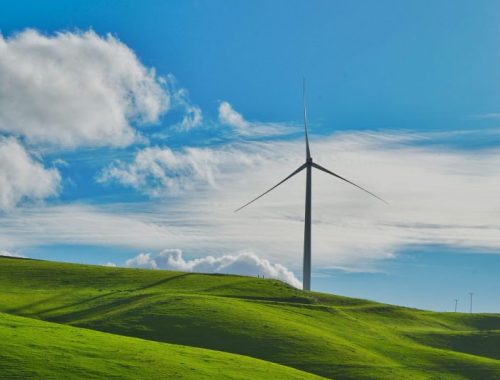
Wind energy: Wind turbines use the power of the wind to spin their blades, which converts kinetic energy into electrical energy. The amount of energy a turbine can produce depends heavily on the weather conditions.
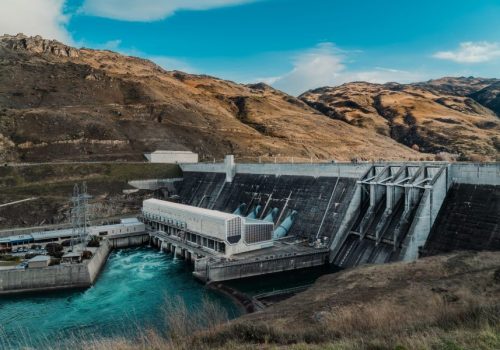
Hydropower: Water flowing through rivers or released from dams is used to spin turbines, which drive generators to produce electricity.

Geothermal energy: Geothermal energy is energy that is generated from the natural heat beneath the Earth’s surface, using it to warm water and produce steam. The steam then can be used to turn turbines and generate electricity.

Tidal and wave energy: Using the natural movement of the sea, seawater is used to drive turbines or other machinery that generates electricity. These turbines turn kinetic energy into electrical energy.

pexels-donovan-kelly-110228397-27623570

How can we utilise solar energy at home?

Solar energy is probably the renewable energy form most people will be most familiar with. Solar panels absorb sunlight using tiny solar cells made of silicon and convert it into electricity that can be used in your home. The sunlight stimulates the solar cells, causing electrons to come apart from their atoms, causing an electric current. An inverter is then used to change this power into electricity that can be used by your home. Solar panels can generate electricity during daylight hours, even if the weather is cloudy, although the sunnier it is, the more energy is produced.

Solar energy is the biggest renewable energy source to be used by homes because of how easy and convenient the energy generation is. Solar panels are quick and easy to install, and once connected, will instantly start generating clean, renewable energy for your home. Some homes also choose to invest in solar batteries which store the energy generated during the day for use during hours when the sun is not out. Solar energy is easily accessible for most homes, making it one of the most popular options for domestic renewable energy.

Solar energy is not only good for the environment, as it reduces our everyday reliance on non-renewable resources, but it is also financially beneficial for the homeowner. Solar energy is completely free once generated; the only cost associated with solar energy is the cost of the solar panels themselves and installation. With solar panels you can reduce the amount of energy you need to buy from your electricity supplier or, depending on whether you have a solar battery, you can remove your dependence altogether.

Is renewable energy the future?

Renewable energy already plays a very important role in how we generate and use energy for our homes and is already used by millions of homeowners. Renewable energy sources like solar power are becoming increasingly practical for homes as an easy and efficient way to utilise clean and sustainable energy. Once installed, solar panels require almost no maintenance; however, solar panel companies do suggest having your panels cleaned once or twice a year just to ensure you are generating as much energy as possible.

Renewable energy isn’t just about protecting the environment; it helps homes to become more energy-independent and reduces our reliance on traditional non-renewable energy sources. With resources dwindling and the environment in already poor condition, renewable energy is the only way to ensure we preserve the environment and its limited resources.